Water damage is one of the most common and costly problems homeowners face. It can strike suddenly after a storm or develop slowly from unnoticed leaks. Regardless of how it happens, water damage can compromise your home’s structure, promote mold growth, and cost thousands in repairs if left untreated. Understanding the main causes and how to prevent them can save you money and stress in the long run.
1. Leaking or Burst Pipes
Aging, corroded, or poorly insulated pipes are among the leading culprits of home water damage. When water pressure spikes or temperatures drop, pipes can crack or burst — releasing gallons of water into walls, floors, or basements.
- Prevention: Insulate exposed pipes in winter, check for corrosion or leaks regularly, and monitor your water pressure. Installing a smart leak detector can alert you before major damage occurs.
2. Roof Leaks and Gutter Problems
Missing shingles, damaged flashing, or clogged gutters allow rainwater to seep into your attic, walls, or ceilings. Over time, this leads to rot, insulation damage, and mold growth.
- Prevention: Inspect your roof twice a year, especially after storms. Clean gutters regularly to ensure proper drainage away from your home’s foundation.
3. Appliance and Plumbing Failures
Washing machines, dishwashers, water heaters, and refrigerators all use water lines that can fail without warning. Loose connections or worn hoses can leak slowly, causing hidden water buildup under floors or behind walls.
- Prevention: Replace rubber hoses with braided stainless steel ones, inspect connections annually, and shut off the water supply when leaving home for extended periods.
4. Foundation and Basement Leaks
Poor drainage, cracks in your foundation, or high groundwater can allow water to seep into basements. Even minor seepage can lead to mold, musty odors, and structural weakening.
- Prevention: Ensure proper grading around your home to direct water away. Consider installing a sump pump and sealing foundation cracks promptly.
5. Severe Weather and Flooding
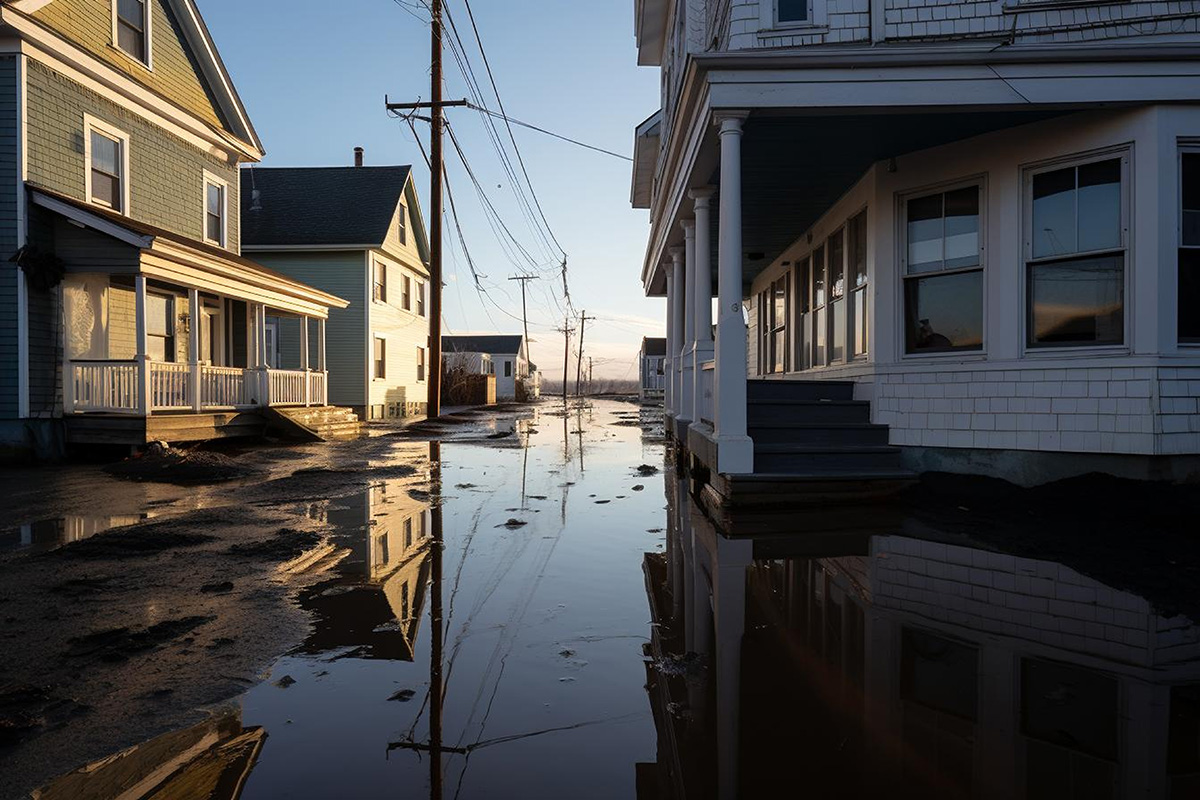
Heavy rainfall, snowmelt, or hurricanes can overwhelm drainage systems and flood basements or crawl spaces. Even minor floods can leave behind contaminated water and long-term damage.
- Prevention: Install flood barriers, ensure sump pumps are working, and elevate electrical systems where possible. If your area is flood-prone, consider flood insurance for extra protection.
6. HVAC and Condensation Issues
Air conditioners and HVAC systems can produce condensation that builds up when drainage lines clog or malfunction. Over time, this moisture can cause ceiling stains, mold, and structural decay.
- Prevention: Schedule regular HVAC maintenance, clean condensate drains, and change air filters monthly to keep systems working efficiently.
7. Clogged Drains and Sewage Backup
Kitchen sinks, toilets, and shower drains can clog due to grease, debris, or foreign objects. Severe blockages can cause wastewater to back up, leading to unsanitary flooding and property damage.
- Prevention: Avoid flushing wipes or pouring grease down drains. Use drain guards and schedule professional cleaning if water drains slowly.
Why Quick Action Matters
When water damage strikes, acting fast can make the difference between minor cleanup and major restoration. The longer moisture sits, the more it seeps into walls and floors — causing mold, warping, and rot. If you notice signs like damp walls, bubbling paint, or a musty smell, contact a certified restoration company immediately.
Protect Your Home with Professional Help
At Fix My Leak Snow, we specialize in identifying the source of water damage, drying affected areas, and restoring your property to pre-loss condition. From emergency water extraction to mold remediation and insurance claim assistance, our experts are here to help you recover quickly and safely.
Need immediate help? Our 24/7 response team is ready to handle any water emergency — because every minute counts when it comes to protecting your home.