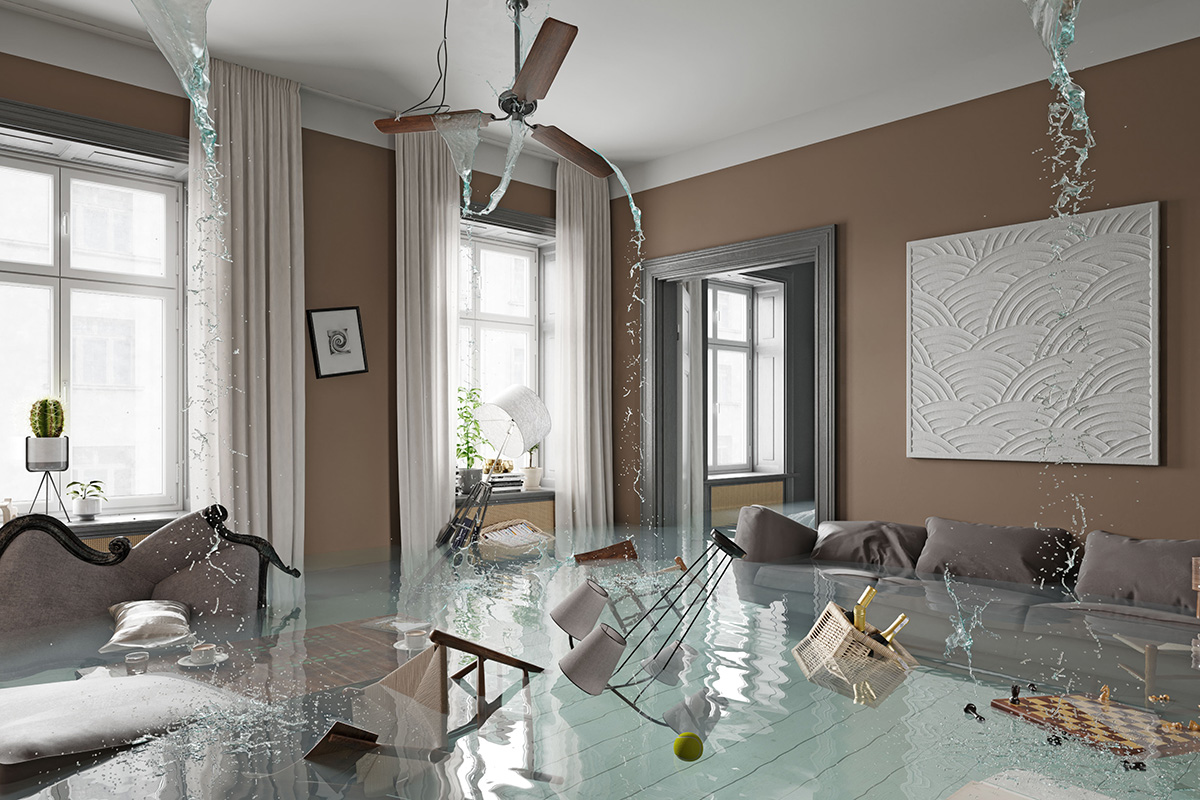
Water damage can happen without warning — from a burst pipe, leaking roof, or overflowing appliance. While waiting for professional help, your actions in the first few minutes can greatly reduce damage, save valuable belongings, and prevent mold growth. Here’s what to do before the restoration team arrives.
1. Prioritize Safety Above All
Before stepping into a flooded area, make sure it’s safe. Water and electricity are a dangerous combination, and contaminated water can pose health risks.
Stay calm and take these initial precautions:
- Turn off the main power supply if water is near outlets or appliances.
- Avoid walking in standing water until it’s confirmed safe.
- If flooding involves sewage or stormwater, wear protective gear or stay clear entirely.
- When in doubt, wait outside for professional assistance.
Your safety and your family’s well-being come before anything else.
2. Stop the Water Source (If You Can)
Once you know it’s safe, try to locate and stop the source of water. Acting quickly can prevent further damage.
- For burst pipes, shut off the main water valve immediately.
- If it’s an appliance leak, turn off the water supply line and unplug the unit.
- In case of a roof leak, collect dripping water with buckets and move items out of harm’s way.
If the source is unclear or inaccessible, note where the water seems to be coming from and share that with the restoration team when they arrive.
3. Protect Your Belongings
Water spreads fast, and the longer your possessions sit in it, the more likely they’ll be damaged beyond repair.
Move quickly but carefully:
- Relocate furniture, rugs, and electronics to a dry area.
- Place aluminum foil or wood blocks under furniture legs to keep them off damp floors.
- Remove wet cushions or upholstery and set them in a well-ventilated spot.
- Take valuable items like documents, photos, and heirlooms to safety right away.
Even small steps like these can prevent swelling, discoloration, and odor absorption.
4. Remove Excess Water and Improve Airflow
If the affected area is small and safe to handle, you can start light water removal.
Use mops, towels, or a wet/dry vacuum to soak up standing water. Open windows and doors to allow air to circulate. If possible, run a dehumidifier or set up fans to start drying surfaces.
Avoid using a standard household vacuum, as it’s not designed for water. And if the water looks contaminated or dirty, wait for professionals — it’s not worth the health risk.
5. Prevent Further Damage
Beyond removing water, take measures to reduce ongoing issues like warping and mold.
- Lift curtains and drapes off the floor.
- Wipe away excess moisture from wooden furniture and counters.
- Keep books and paper items spread out to dry, not stacked.
- Avoid turning on the heat — warm, moist air can accelerate mold growth.
Small preventive steps right now can save hours of restoration later.
6. Document Everything for Insurance
Proper documentation will help your insurance claim move faster and more smoothly.
Take photos and videos of every affected area before cleaning too much. Note the date, time, and cause of the damage if possible. Keep receipts for any temporary repairs or hotel stays.
Your insurance adjuster will need this information to verify your claim, so the more detailed you are, the better.
7. Avoid Common Mistakes
In the rush to act, some homeowners unintentionally make things worse. Here are key things not to do:
- Don’t use electrical appliances in wet areas.
- Don’t delay cleanup — mold can start forming in as little as 24 hours.
- Don’t tear up carpets or drywall prematurely — professionals will assess what can be salvaged.
- Don’t throw away damaged items until the adjuster has inspected them.
8. Call a Professional Restoration Team
Even if you’ve contained the visible water, unseen moisture can linger inside walls, floors, and insulation. A certified restoration team has industrial drying equipment and moisture detection tools to ensure your home is completely dry and safe.
At Fix My Leak Snow, we provide:
- 24/7 emergency water extraction
- Structural drying and dehumidification
- Mold prevention and odor removal
- Assistance with insurance claims
We respond fast, work directly with insurers, and restore your home to its pre-damage condition — quickly and efficiently.
Final Thought
When it comes to water damage, time is your greatest enemy. Acting quickly before help arrives can dramatically reduce losses and make the restoration process smoother. Stay calm, follow these steps, and let professionals take it from there.